
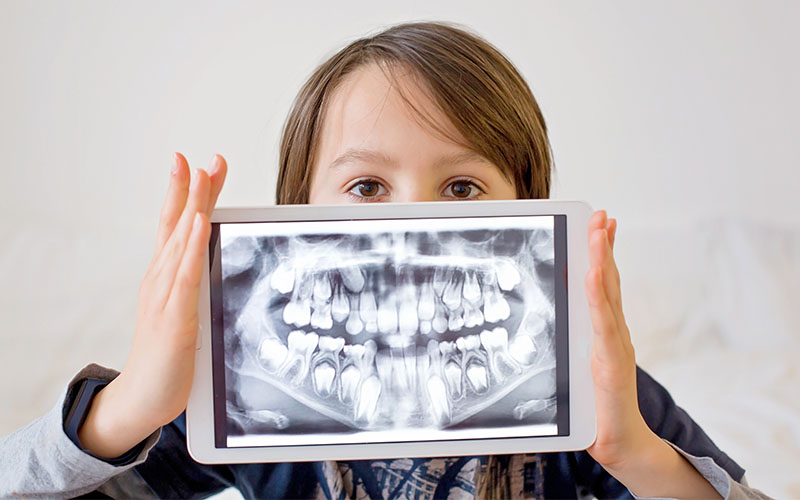
Wisdom teeth, also known as third molars, typically emerge during the late teenage years or early twenties. While not everyone experiences issues with their wisdom teeth, for many individuals, their growth can lead to discomfort, pain, and potential dental problems. Understanding the process of wisdom teeth removal is crucial for anyone facing this dental procedure.
-
Introduction to Wisdom Teeth
Wisdom teeth are the final set of molars to emerge in the back corners of the mouth. They were once necessary for our ancestors who had larger jaws and relied more heavily on a coarse diet. However, due to evolution, modern humans often lack the necessary space in their jaws to accommodate these additional teeth.
-
Why Wisdom Teeth Removal is Necessary
Overcrowding Issues
One of the primary reasons for wisdom teeth removal is overcrowding. Most mouths simply do not have enough space to accommodate these extra teeth, leading to misalignment and crowding of the existing teeth.
Impaction Problems
Another common issue is impaction, where the wisdom teeth become trapped beneath the gums or emerge only partially. This can lead to pain, swelling, and an increased risk of infection.
-
Signs and Symptoms of Problematic Wisdom Teeth
- Persistent or throbbing pain in the back of the mouth
- Swelling and tenderness in the gums
- Difficulty opening the mouth fully
- Persistent bad breath or an unpleasant taste in the mouth
-
Preparation for Wisdom Teeth Removal
Before undergoing wisdom teeth removal, it is essential to schedule a consultation with a dentist or oral surgeon. During this appointment, the dentist will assess the position of the wisdom teeth and determine the best course of action.
-
The Procedure of Wisdom Teeth Removal
Local Anesthesia vs. General Anesthesia
The procedure can be performed under local anesthesia, where only the immediate area is numbed, or general anesthesia, where the patient is unconscious. The choice depends on factors such as the complexity of the extraction and the patient’s anxiety levels.
Surgical vs. Non-surgical Extraction
In cases where the wisdom teeth are impacted or have not fully erupted, surgical extraction may be necessary. This involves making an incision in the gums to access the tooth. Non-surgical extraction is possible when the tooth has fully erupted and can be removed with forceps.
-
Recovery Process After Wisdom Teeth Removal
Immediate Post-operative Care
After the procedure, patients are typically advised to rest and avoid strenuous activities. They may experience some swelling and discomfort, which can be managed with pain medication and cold compresses.
Long-term Recovery Tips
It’s essential to follow the dentist’s instructions for optimal healing. This may include eating soft foods, avoiding straws, and practicing good oral hygiene to prevent infection.
-
Potential Complications and Risks
While wisdom teeth removal is a common and relatively safe procedure, there are potential risks, including infection, dry socket, nerve damage, and damage to adjacent teeth. These risks can be minimized by choosing an experienced dentist or oral surgeon and following post-operative care instructions diligently.
-
FAQs About Wisdom Teeth Removal
- How long does it take to recover from wisdom teeth removal?
-
- Recovery typically takes about a week, although full healing may take several weeks.
- Is wisdom teeth removal painful?
-
- The procedure itself is performed under anesthesia, so patients typically do not feel pain. However, some discomfort and swelling are common during the recovery period.
- What should I eat after wisdom teeth removal?
-
- It’s best to stick to soft foods like yogurt, soup, and mashed potatoes for the first few days.
- Can I drive myself home after wisdom teeth removal?
-
- It’s recommended to have someone accompany you to and from the appointment, as you may feel groggy or disoriented after the procedure.
- When should I contact my dentist after wisdom teeth removal?
-
- Contact your dentist if you experience severe pain, excessive bleeding, or signs of infection, such as fever or swelling.
-
Conclusion
Wisdom teeth removal is a common dental procedure that can alleviate pain, prevent dental problems, and improve overall oral health. By understanding the process and following post-operative care instructions, patients can ensure a smooth recovery and maintain a healthy smile.
At Griesbach Dental in North Edmonton, we warmly welcome new patients to our practice. Our team is dedicated to providing exceptional dental care in a comfortable and welcoming environment. Whether you’re in need of wisdom teeth removal or any other dental service, we’re here to help. Contact us today to schedule your appointment and experience the difference our team can make in your oral health journey.